Building a travel art kit isn’t just about choosing the right pencils or the perfect sketchbook—it’s about designing a system that supports your creativity wherever you go. Once you’ve assembled your core portable drawing tools, there’s a whole second layer of planning that can make your on‑the‑road art life smoother, more intuitive, and far more enjoyable. This continuation dives deeper into the practical, quirky, and often overlooked details that transform a simple kit into a truly functional travel companion.
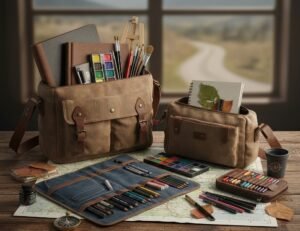
Your art bag is the backbone of your travel art kit. It’s not just a container—it’s a mobile studio, a personal toolbox, and a reflection of your creative personality. Choosing the right one means thinking beyond traditional art supply cases and exploring options that fit your lifestyle, your workflow, and your sense of adventure.
Think Beyond Traditional Art Bags
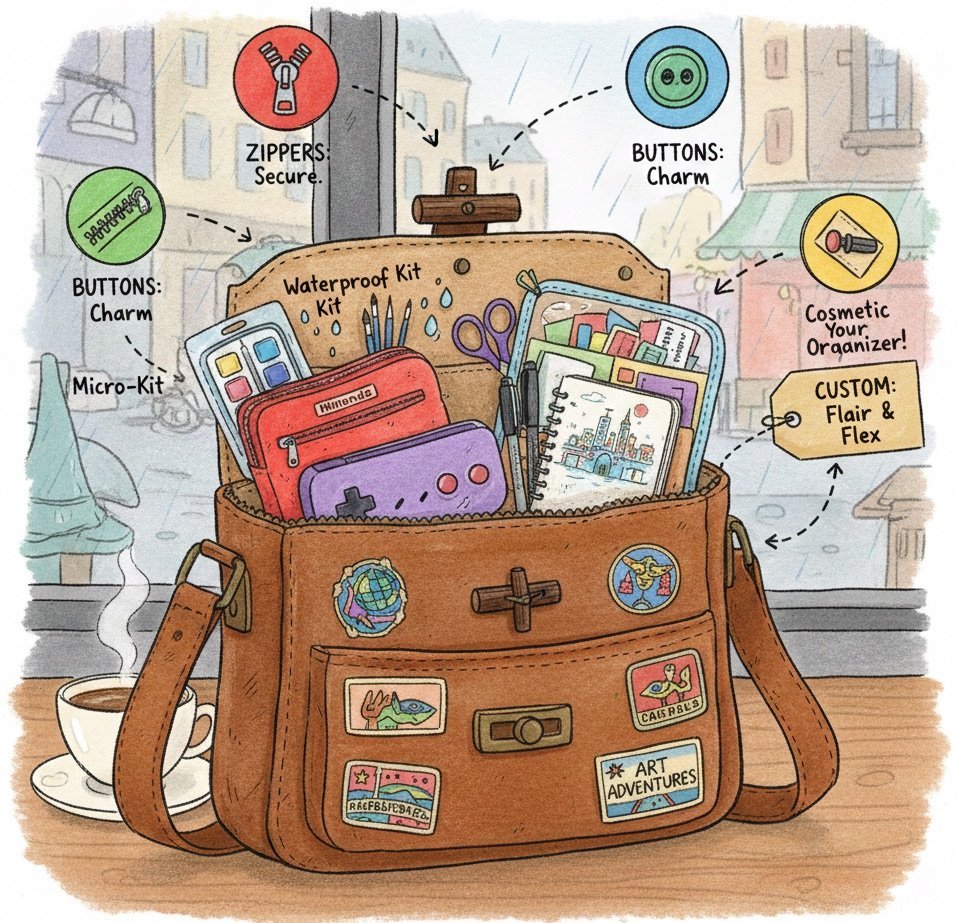
You don’t need a fancy designer case to carry your tools. Some of the best travel art bags come from unexpected places:
- Secondhand stores often have quirky pencil cases, makeup bags, or kids’ novelty pouches. A Nintendo‑controller‑shaped pencil bag? Perfect.
- Thrifted messenger bags can become rugged, roomy art satchels.
- Cosmetic organizers offer built‑in compartments ideal for collage artists or mixed‑media travelers.
- Small camera bags provide padding and structure for delicate tools.
The goal is to find something that feels personal, functional, and fun.
Zippers, Buttons, Velcro, or Custom Closures?
Each closure style has its own personality and purpose:
What is your ultimate "Inspiration" trip?
- Zippers keep everything secure—great for travel days and crowded spaces.
- Buttons offer charm and simplicity but may not be ideal for tiny items.
- Velcro is quick and easy, especially when sketching on the move.
- Custom closures like toggles, snaps, or elastic wraps add flair and flexibility.
Choose based on how you work. If you’re constantly grabbing pens mid‑stride, fast access matters more than aesthetics.
One Master Bag + Smaller Kits
A smart travel art kit uses a modular system:
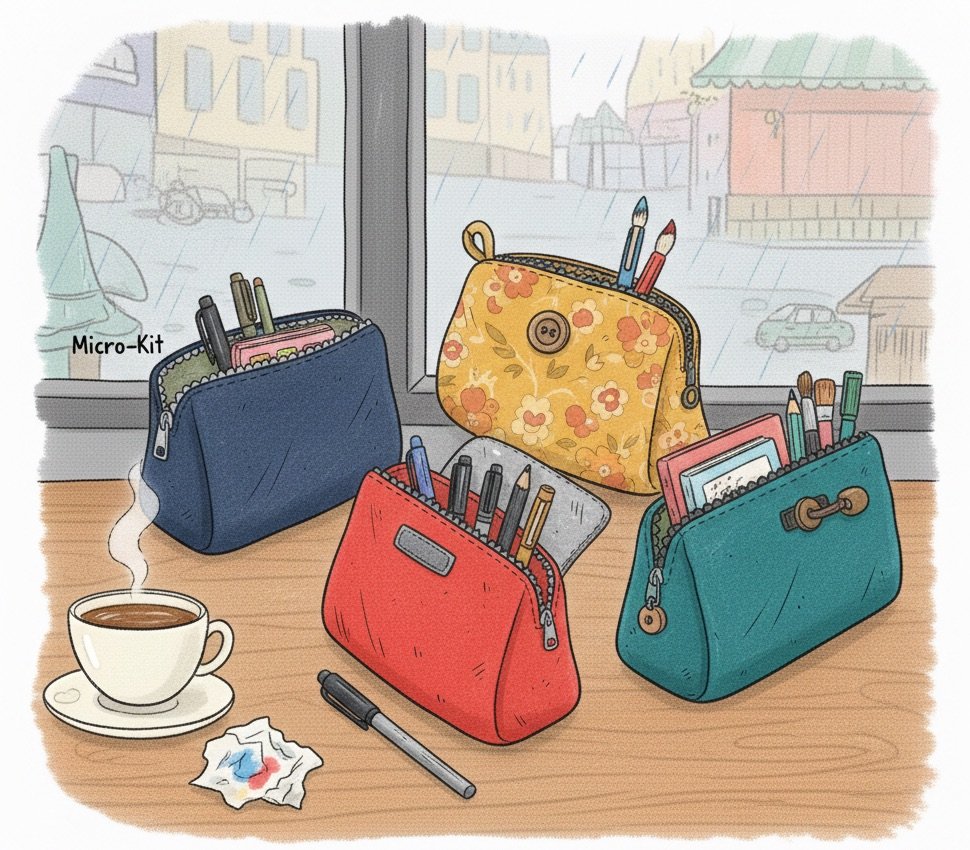
- One master bag holds your full setup—sketchbook, pens, brushes, watercolors, extras.
- A micro‑kit fits in your pocket for spontaneous sketching.
- A waterproof kit protects your supplies at the beach, on boats, or during rainy travel days.
- A collage kit includes compartments for scraps, glue sticks, scissors (when allowed), and ephemera.
This layered approach lets you adapt to different environments without carrying everything all the time.
Keep Your Sketchbook Close—Closer Than You Think
A sketchbook is the heart of your travel art kit. It’s your journal, your memory keeper, your creative anchor. The closer it stays to you, the more likely you are to use it.
Treat Your Sketchbook Like Your Wallet or Phone
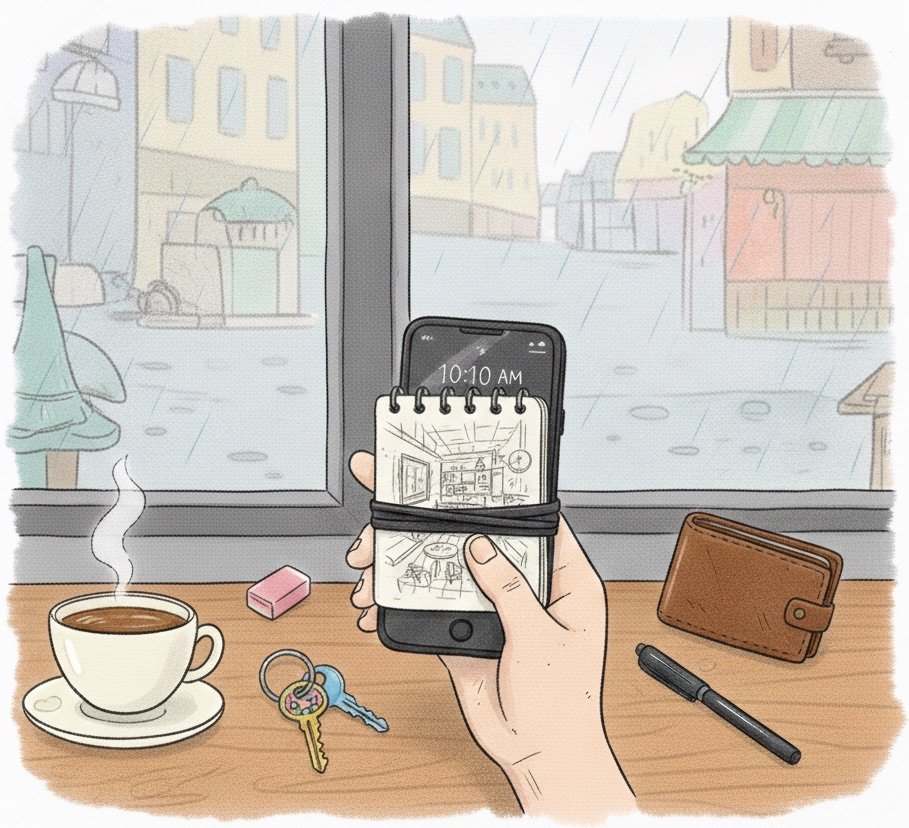
If you want sketching to become a daily habit, your sketchbook needs to be:
- Always accessible
- Always within reach
- Always part of your essentials
One trick is to choose a sketchbook roughly the size of your phone. When the two are sandwiched together with a rubber band, they become a single, easy‑to‑carry bundle. Slip it into a jacket pocket, a sling bag, or even the same spot where you keep your wallet.
If you ever leave your sketchbook behind, you should feel that same “something’s missing” sensation you get when you forget your keys.
Build the Habit Through Proximity
The more your sketchbook travels with you, the more natural it becomes to open it:
- Waiting for a train? Sketch.
- Sitting at a café? Sketch.
- Resting between hikes? Sketch.
- Jet‑lagged in a hotel room? Sketch.
Proximity builds consistency, and consistency builds skill.
Special Tools You Might Not Think About
Traveling exposes you to unpredictable lighting, weather, and environments. A few extra tools can make a surprising difference.
Blue‑Blocking Glasses for Harsh Lighting
Airports, train stations, and cafés often use bright, cool lighting that can strain your eyes. Blue‑blocking glasses help reduce glare and eye fatigue, making it easier to sketch comfortably in unfamiliar environments.
They’re especially helpful if you:
- Draw digitally
- Work under fluorescent lights
- Sketch at night
- Spend long hours in transit
A small, lightweight pair can slip into your art bag without adding bulk.
Travel Restrictions: What Artists Need to Know
Traveling with art supplies means navigating rules that aren’t always artist‑friendly. A little planning can save you from losing tools at airport security.
No Sharp Objects on Planes
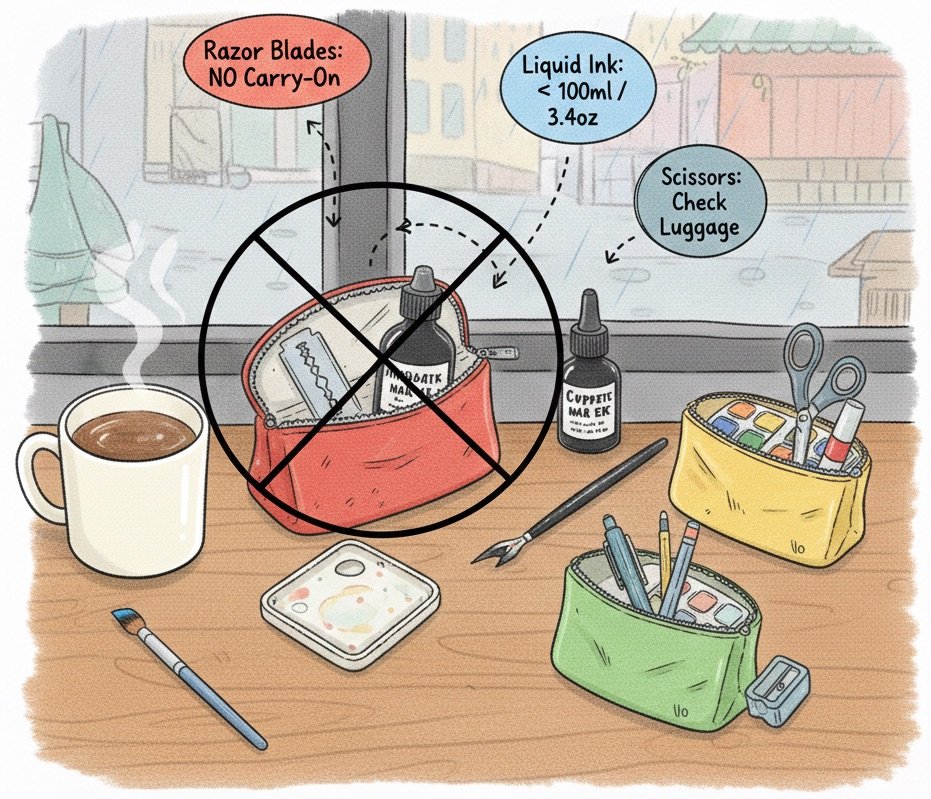
Many artists carry razor blades for sharpening pencils or cutting paper. Unfortunately, these are prohibited in carry‑on luggage.
Alternatives include:
- Mechanical pencils
- Pre‑sharpened pencils
- Small, enclosed sharpeners
- Sandpaper blocks (allowed in most cases)
If you absolutely need blades, pack them in checked luggage—but always check current regulations before flying.
Liquid Limits for Air Travel
Watercolor artists, ink lovers, and mixed‑media travelers need to be mindful of liquid restrictions.
Most airlines allow:
- Containers under 3.4 oz (100 ml)
- All liquids stored in a single quart‑sized bag
This includes:
- Inks
- Liquid watercolors
- Acrylic markers
- Brush pen refills
- Glue
- Mediums
Solid alternatives—like watercolor pans, graphite sticks, or solid glue—are easier to travel with and avoid liquid limitations entirely.
More Ideas to Expand Your Travel Art Kit
If you want to go even deeper, here are additional concepts worth exploring:
A Travel‑Sized Light Source
A tiny USB‑powered light can help you sketch in dim hotel rooms or on overnight trains.
A Foldable Lap Desk
Lightweight and compact, it gives you a stable drawing surface anywhere.
A Mini Spray Bottle (Empty)
Useful for watercolorists—just fill it after you land.
A Zip‑Top Bag for Emergencies
Protects your sketchbook and tools during sudden rain.
A Small Cloth or Bandana
Wipes brushes, cleans hands, wraps fragile items, and doubles as a protective layer.
Frequently Asked Questions
How many bags should a travel art kit include?
One master bag plus one or two smaller kits gives you flexibility without overpacking.
What’s the best way to carry a sketchbook while traveling?
Keep it close—ideally the same size as your phone so you can carry them together.
Can I bring sharp tools on a plane?
Razor blades and knives are not allowed in carry‑on bags; pack them in checked luggage or use alternatives.
Are watercolors allowed on flights?
Yes, as long as liquid containers follow airline size restrictions.
Should I bring multiple sketchbooks?
One main sketchbook and one micro‑sketchbook is a good balance for most travelers.
What kind of art bag works best?
Any bag that fits your workflow—thrifted, custom, or store‑bought—as long as it’s durable and easy to access.
Do I need waterproof storage?
If you sketch outdoors, near water, or in unpredictable weather, a waterproof pouch is essential.
Are blue‑blocking glasses worth packing?
Yes, especially if you draw in harsh lighting or work digitally.
 artistEarth | GEAR & SETUPS
Travel‑Friendly Drawing Kits for the Traveling Artist
Traveling with art supplies is both an adventure and a puzzle. You want to stay creative on the road, but you also need tools that are portable, reliable, and appropriate for the environment you’re in—whether...
Final Thoughts
A travel art kit is more than a collection of tools—it’s a system that supports your creativity wherever you go. The more intentional you are about your bag, your sketchbook habits, and your travel‑friendly tools, the easier it becomes to sketch daily and capture the world around you. Think creatively, pack smart, and build a kit that feels like an extension of your artistic identity.
Ready to Share Your Work?
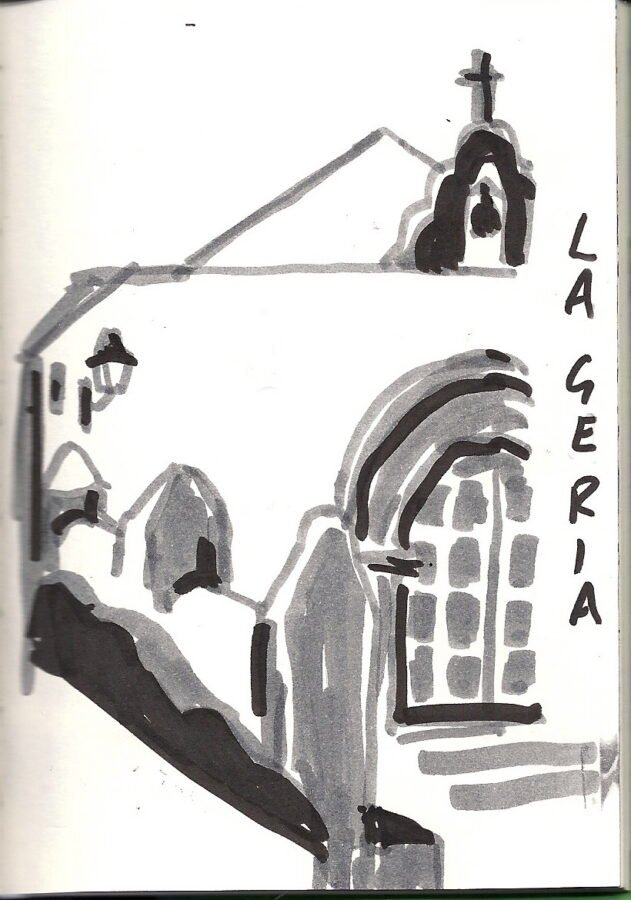
Every travel sketch on artistEarth.com comes from the Sketchbooks.org community. Share your work to be discovered here, and / or join us as a Travel Editor.
 From the Sketchbooks Community