Drawing inside of museums is one of the most rewarding ways to deepen your connection to art, sharpen your observational skills, and immerse yourself in the creative atmosphere of world‑class collections. Whether you’re a traveling artist, a student, or someone who simply loves sketching in inspiring environments, museums offer a unique blend of quiet focus, visual richness, and historical context. But before you open your sketchbook in a gallery, there are important things to know—rules, etiquette, tools, and strategies that will help you make the most of your experience.
Why Drawing Inside of Museums Is So Valuable
Museums are treasure houses of visual information. When you draw inside a museum, you’re not just copying what you see—you’re learning how artists solved problems, how compositions are built, how light interacts with form, and how different mediums behave. Sketching in galleries helps you:
- Slow down and truly see the artwork
- Understand proportions, gesture, and structure
- Absorb techniques from masters
- Build a deeper appreciation for art history
- Strengthen your personal style through study
Museums are quiet, contemplative spaces, making them ideal for focused observational drawing. The environment itself becomes part of the creative experience.
Understanding Museum Policies Before You Sketch
Every museum has its own rules about sketching, and knowing them ahead of time ensures a smooth visit. While many museums welcome artists, they also need to protect their collections and maintain a comfortable experience for all visitors.
Common Museum Rules for Sketching
Most museums allow:
What is your must-have "Art On the Go" medium?
- Dry media only (pencil, graphite, charcoal pencils)
- Small sketchbooks
- Handheld tools that don’t obstruct walkways
- Quiet, unobtrusive sketching
Most museums do not allow:
- Wet media (watercolor, ink, markers, paint pens)
- Easels or large drawing boards
- Tripods or stools in narrow galleries
- Blocking traffic flow or sitting on the floor in busy areas
Always check the museum’s website or ask a staff member before you begin. Policies can vary widely—even within the same city.
Why Museums Restrict Certain Tools
Restrictions aren’t meant to limit creativity—they’re designed to protect priceless artworks. Wet media can splatter, spill, or off‑gas chemicals. Large tools can bump into frames or disrupt visitor flow. Museums must balance access with preservation.
Choosing the Right Tools for Museum Sketching
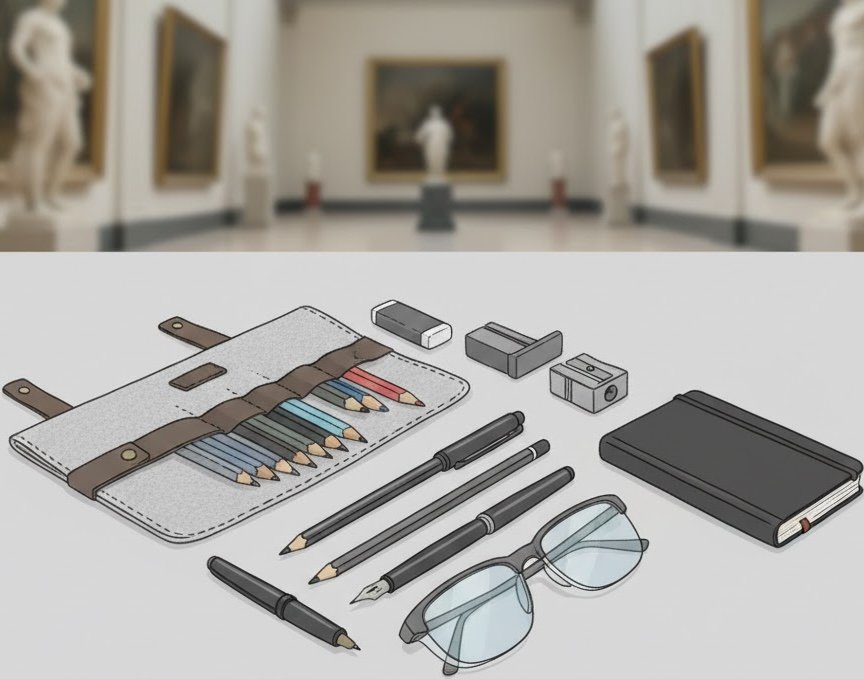

When drawing inside of museums, your tools should be compact, quiet, and clean. A minimal setup is often the most effective.
Ideal Tools for Museum Sketching
- Mechanical pencils (no sharpening required)
- Graphite pencils (HB–4B range)
- Erasers (kneaded or vinyl)
- Small sketchbook (A5 or smaller)
- Clip or elastic band to keep pages flat
- Silent pencil case (fabric, not hard plastic)
These tools allow you to work efficiently without disturbing others.
Tools to Avoid
- Watercolors
- Ink pens
- Alcohol markers
- Brushes
- Spray fixatives
- Scissors or blades
Even if you’ve used these tools safely elsewhere, they’re usually prohibited in museum settings.
Finding the Best Spot to Sketch in a Museum
Where you sit or stand can dramatically affect your drawing experience.
Look for Low‑Traffic Areas
Choose galleries that are:
- Less crowded
- Away from major entrances
- Not part of guided tour routes
- Spacious enough to stand without blocking others
Museums often have quiet corners perfect for sketching.
Consider Lighting and Angles
Museum lighting is designed to highlight artwork, not necessarily to illuminate your sketchbook. Position yourself where:
- You can see your page clearly
- Glare doesn’t hit the artwork
- You have a comfortable viewing angle
If needed, tilt your sketchbook slightly to catch more light.
How to Sketch Respectfully in a Museum
Museums are shared spaces, and sketching comes with responsibilities.
Keep Your Movements Small and Quiet
Avoid:
- Loud pencil tapping
- Constant zipping/unzipping
- Spreading out your belongings
- Blocking labels or artwork
Your goal is to blend into the environment.
Be Mindful of Other Visitors
People come to museums for many reasons—education, relaxation, inspiration. Make sure your sketching enhances the atmosphere rather than disrupts it.
If someone wants to view the artwork you’re studying, step aside briefly. It’s part of the shared experience.
What to Draw When You’re Inside a Museum
You don’t have to copy an entire painting or sculpture. Museum sketching is about exploration.
Try These Approaches
- Gesture studies of sculptures
- Detail sketches of hands, drapery, or textures
- Composition breakdowns of paintings
- Value studies to understand light and shadow
- Quick thumbnails of gallery spaces
- Master studies to learn technique
Museums offer endless material for artistic growth.
Building Confidence as a Museum Sketcher
Drawing in public can feel intimidating at first, but museums are one of the easiest places to start. People expect to see artists there, and many visitors enjoy watching the process.
Tips for Building Confidence
- Start with small, quick sketches
- Choose quieter galleries
- Use a small sketchbook to stay discreet
- Remind yourself that you belong there
- Focus on the artwork, not the audience
The more you sketch, the more natural it becomes.

 artistEarth | DESTINATIONS
Drawing Oceania | Sketching Across Australia & the Pacific
Oceania is one of the most visually diverse regions on Earth—a vast expanse of islands, coastlines, deserts, rainforests, coral reefs, and ancient cultural landscapes. Drawing Oceania invites artists to explore this extraordinary part of the...
Frequently Asked Questions
Can you draw inside most museums?
Yes, many museums allow sketching with dry media, but policies vary by institution.
Are pens allowed for museum sketching?
Some museums allow ballpoint pens, but many restrict ink entirely to protect the artwork.
What size sketchbook is best for museum drawing?
A small sketchbook (A5 or smaller) is ideal because it’s portable and unobtrusive.
Can I sit on the floor while sketching?
Some museums allow it, but many prohibit floor seating in busy galleries for safety reasons.
Do museums allow stools or portable chairs?
Lightweight folding stools may be allowed in certain museums, but always ask first.
How long can I sketch in one spot?
As long as you’re not blocking traffic or disturbing others, you can usually sketch freely.
Can I sketch sculptures and installations?
Yes—sculptures are excellent subjects for gesture and form studies.
Do I need permission to sketch in a museum?
Usually not, but checking the museum’s sketching policy is always recommended.
Final Thoughts
Drawing inside of museums is one of the most enriching practices an artist can adopt. It connects you directly to centuries of artistic tradition, sharpens your eye, and deepens your appreciation for the craft. With the right tools, respectful habits, and a little preparation, museum sketching becomes a powerful part of your creative journey. Whether you’re studying the masters, exploring new techniques, or simply enjoying a quiet moment with your sketchbook, museums offer an inspiring environment where your artistic growth can flourish.
Ready to Share Your Work?
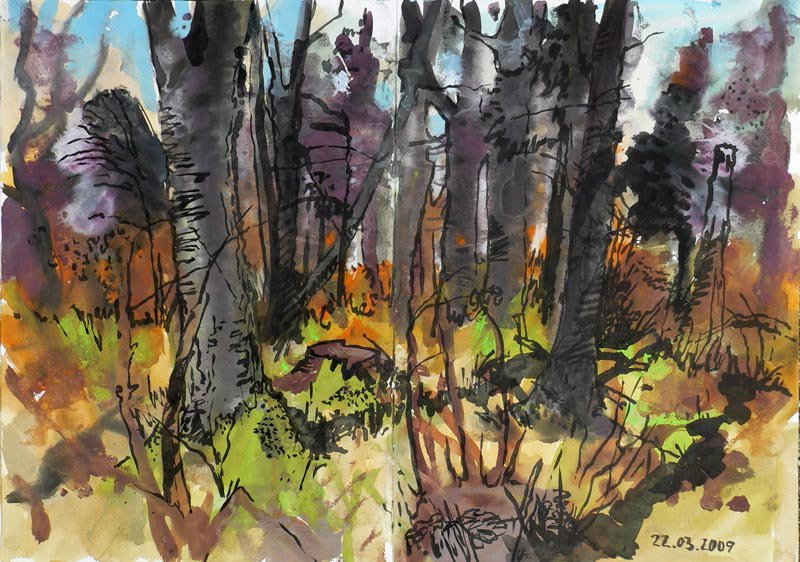
Every travel sketch on artistEarth.com comes from the Sketchbooks.org community. Share your work to be discovered here, and / or join us as a Travel Editor.
 From the Sketchbooks Community