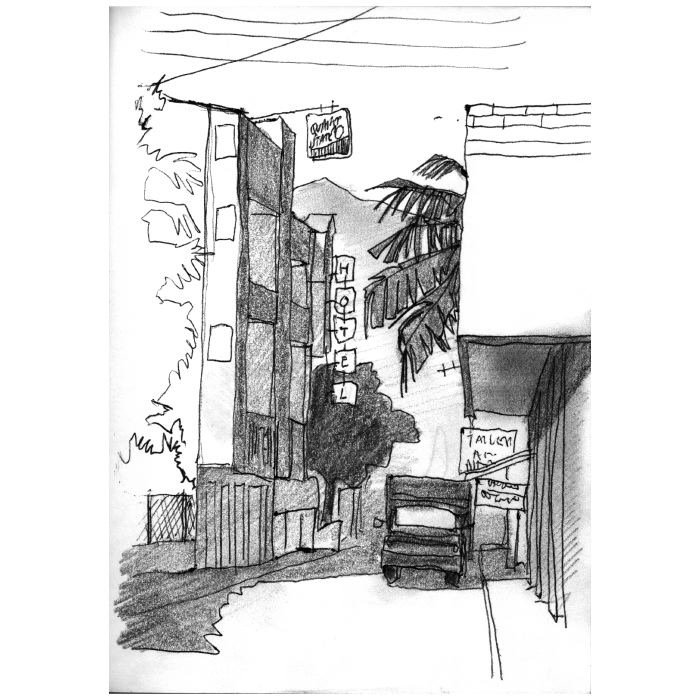
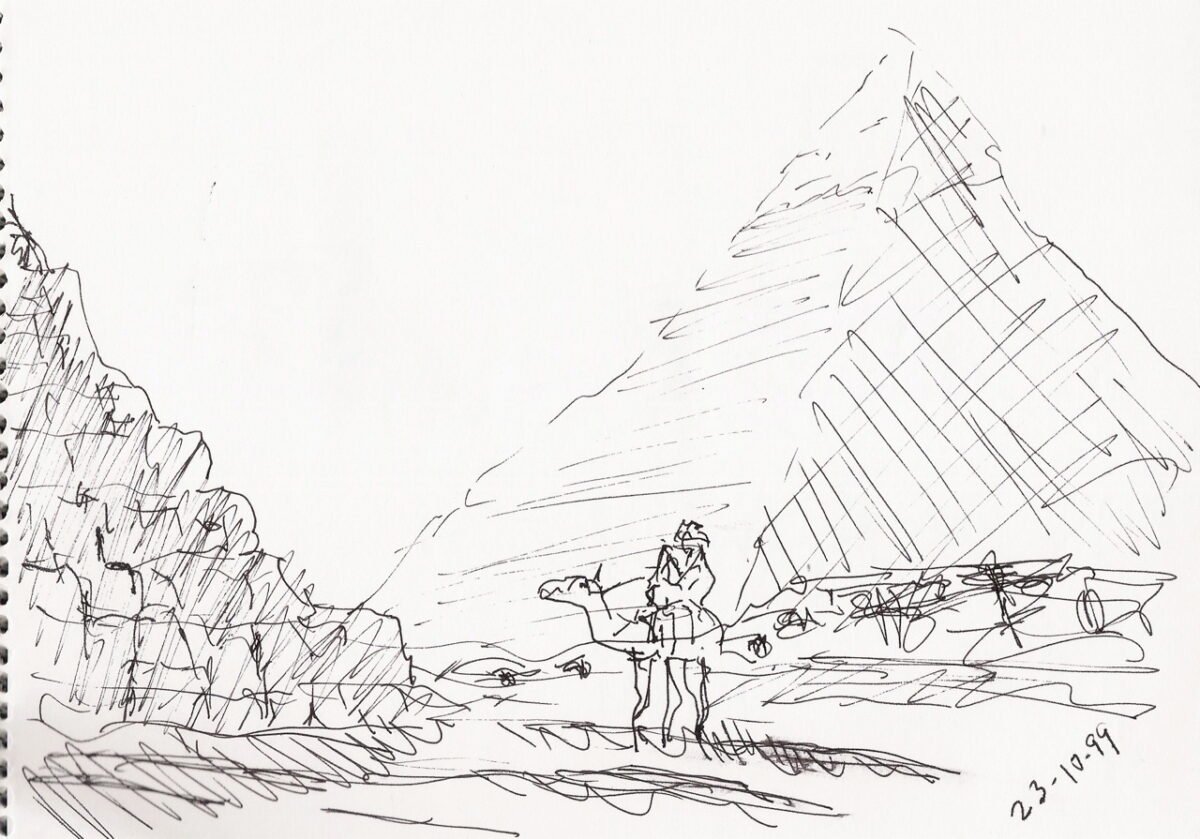
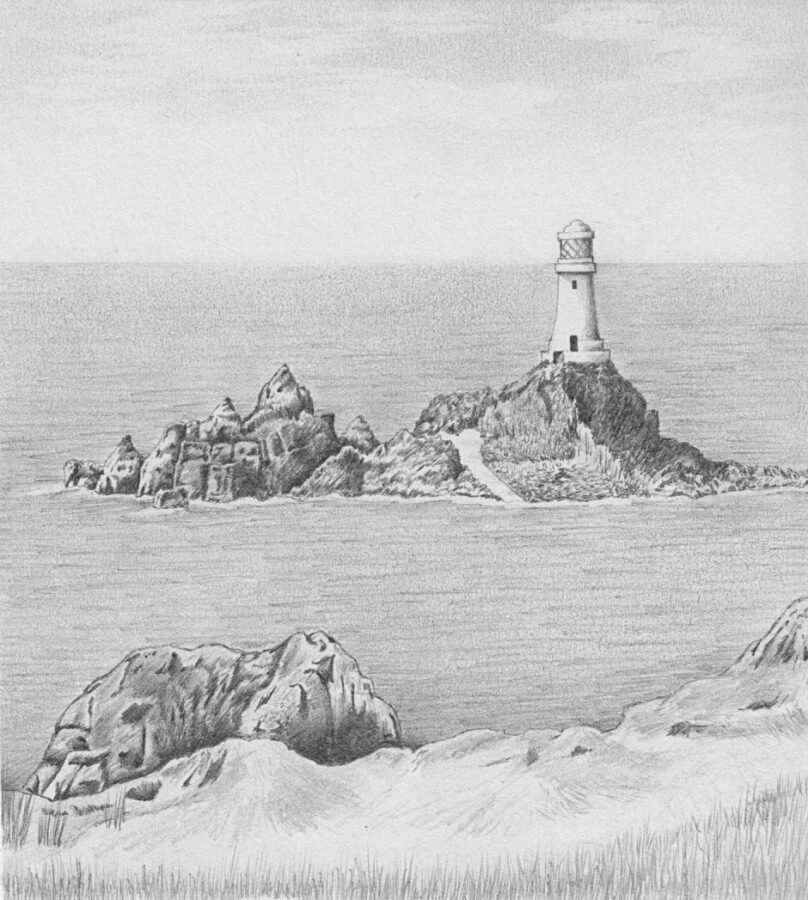
Traveling with a sketchbook teaches you something that cameras often miss: every place holds a story, and every story asks to be felt rather than simply recorded. “Capture Stories, Not Just Scenes” is more than a creative mantra—it’s an invitation to move through the world with curiosity, attention, and a willingness to let your art become a living record of the cultures, landscapes, and fleeting human moments you encounter. This post explores how traveling artists can deepen their practice by focusing on narrative, atmosphere, and emotional resonance rather than surface impressions alone.
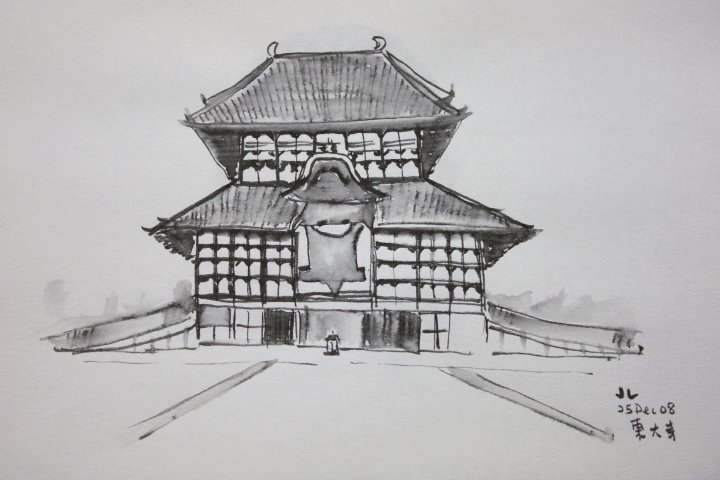
The Difference Between a Scene and a Story
A scene is what you see.
A story is what you experience.
When you sketch a marketplace in Marrakech, a quiet alley in Kyoto, or a windswept coastline in Ireland, you’re not just documenting architecture or geography—you’re capturing the pulse of a place. The scent of spices drifting through the air, the rhythm of footsteps on old stone, the way late‑afternoon light softens the edges of everything it touches. These sensory details become part of the drawing, even if they never appear on the page.
Artists who travel often discover that the most memorable sketches aren’t the most detailed—they’re the ones that hold a feeling. A story. A moment that mattered.
Observing Culture Through an Artist’s Lens
Traveling artists naturally become cultural observers. Sketching forces you to slow down, to notice gestures, rituals, and patterns that might otherwise slip past. A café becomes a study in local rhythm. A museum courtyard becomes a stage where strangers move like characters in an unfolding play. A train station becomes a portrait of transition, anticipation, and quiet waiting.
What is your primary "Gear & Setup" philosophy?
When you approach a place with the intention of capturing its story, you begin to see:
- How people interact with their environment
- How architecture reflects history and identity
- How landscapes shape daily life
- How traditions appear in small, everyday gestures
These observations enrich your sketchbook with layers of meaning that go far beyond visual accuracy.
Letting the Environment Shape Your Creative Process
Every location influences the way you draw. The dry heat of the Southwest encourages loose, airy lines. The humidity of Southeast Asia softens ink and deepens color. The crisp light of Northern Europe sharpens edges and heightens contrast.
When you allow the environment to guide your hand, your sketchbook becomes a collaboration between you and the world around you. You begin to notice:
- How wind affects your linework
- How shifting light changes your palette
- How local textures—stone, sand, foliage—inform your marks
- How sound and movement influence your rhythm
This is where stories emerge: in the interplay between place and process.
Sketching People as Carriers of Story
People bring life to every destination. Even when you don’t draw them directly, their presence shapes the atmosphere of your pages. A street vendor arranging fruit, a musician tuning an instrument, a child chasing pigeons across a plaza—these small moments reveal the soul of a place.
Capturing people doesn’t require portraiture. Sometimes a silhouette, a gesture, or a suggestion of movement is enough to convey narrative. What matters is the feeling of connection—the sense that you witnessed something real, even if only for a moment.
Landscapes That Hold Memory
Landscapes are more than scenery; they are repositories of memory. A desert carries stories of migration and survival. A coastline holds centuries of trade, storms, and quiet mornings. A mountain range reflects geological time, dwarfing human concerns.
When you sketch landscapes with story in mind, you begin to look for:
- The history beneath the surface
- The way weather shapes mood
- The relationship between land and culture
- The emotional tone of the environment
A landscape becomes a character, not a backdrop.
Museums, Markets, and Public Spaces as Living Narratives
Some of the richest stories unfold in places where people gather. Museums hold curated histories, but markets hold living ones. Public squares, transit hubs, and waterfronts reveal the daily choreography of a city.
As a traveling artist, these spaces offer endless inspiration:
- Architectural details that hint at cultural identity
- Conversations and interactions that reveal local rhythm
- Objects, patterns, and colors that define a region
- The interplay of old and new, tradition and modernity
Sketching in these environments becomes a way of participating in the story rather than observing from a distance.
Using Your Sketchbook as a Travel Journal
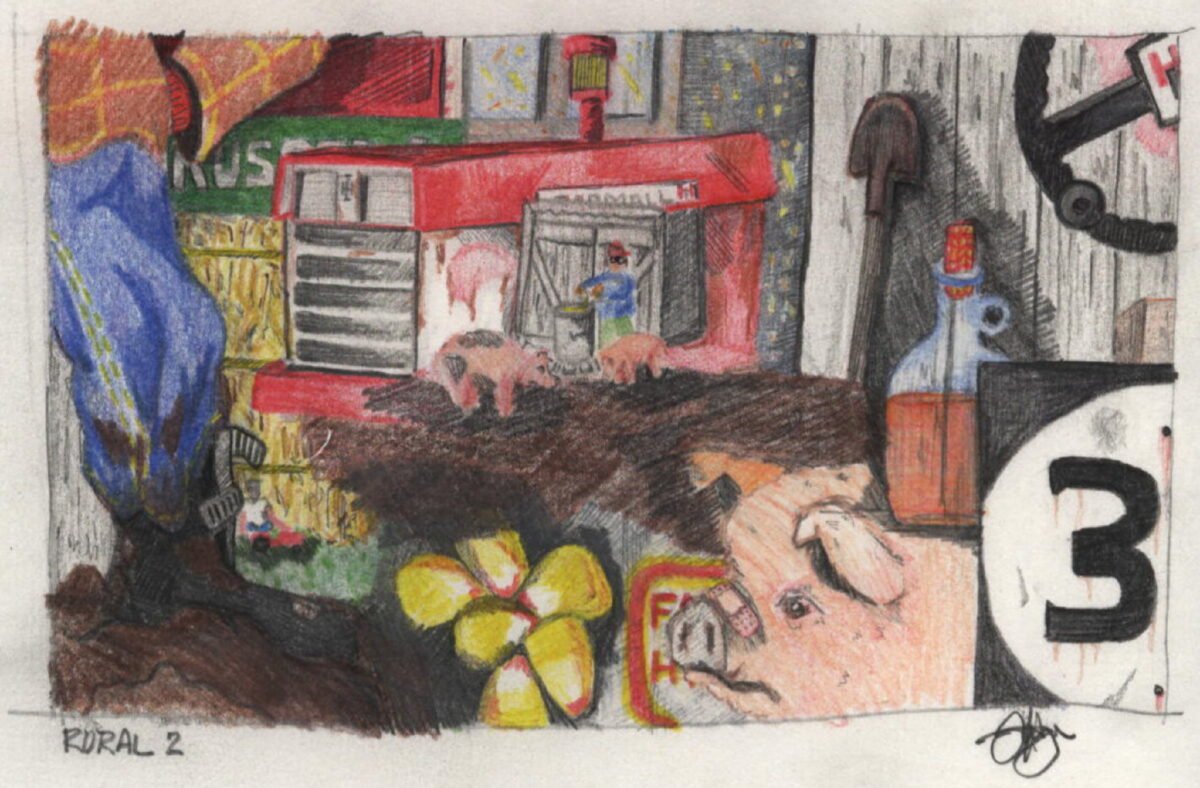
A sketchbook filled with stories becomes a personal atlas—one that maps not just where you’ve been, but how those places shaped you. Notes, small drawings, color swatches, overheard phrases, and quick impressions all contribute to a layered narrative.
Many artists combine:
- Loose sketches with atmospheric washes
- Written reflections with visual fragments
- Maps, tickets, or found textures
- Observational drawings with emotional impressions
This blend creates a travel journal that feels alive, intimate, and deeply personal.
The Emotional Resonance of Story‑Driven Art
When you capture stories instead of scenes, your art becomes more than documentation—it becomes memory. Viewers can feel the atmosphere, sense the movement, and imagine themselves stepping into the moment you recorded.
Story‑driven art resonates because it carries:
- Emotion
- Presence
- Cultural context
- Personal meaning
It invites others to experience the world through your eyes.

 artistEarth | GEAR & SETUPS
Artist Trip Preparations | Planning Ahead
Preparing for a trip as an artist is more than packing clothes and checking your itinerary—it’s about setting yourself up for creative success long before you board a plane, step onto a train, or settle...
Frequently Asked Questions
How do I capture a story instead of just a scene?
Focus on mood, movement, and sensory details rather than perfect accuracy.
Do I need to draw people to tell a story?
Not necessarily—landscapes, objects, and atmosphere can convey narrative on their own.
What makes a sketch feel more narrative?
Small details that hint at culture, environment, or human presence often create a sense of story.
How can I observe more deeply while traveling?
Slow down, stay in one place longer, and let your surroundings guide your attention.
Should I write in my sketchbook as well as draw?
Writing can enrich your visual work by adding context, emotion, and memory.
Can a simple sketch still tell a story?
Absolutely—sometimes the simplest marks carry the strongest emotional weight.
How do I choose what moment to capture?
Pay attention to what moves you, surprises you, or makes you pause.
Do stories come naturally with practice?
Yes—over time, your eye becomes more attuned to narrative moments.
How does travel influence storytelling in art?
New environments heighten awareness, offering fresh perspectives and cultural insights.
Final Thoughts
To capture stories, not just scenes, is to travel with intention. It’s a way of honoring the places you visit by noticing their rhythms, their textures, their histories, and their quiet human moments. Your sketchbook becomes a vessel for lived experience—a collection of narratives shaped by culture, landscape, and the simple act of paying attention. Whether you’re sketching in a bustling market, a quiet museum courtyard, or a windswept shoreline, let the story guide your hand. The world is full of scenes, but the stories you gather along the way are what make your art truly unforgettable.
Ready to Share Your Work?
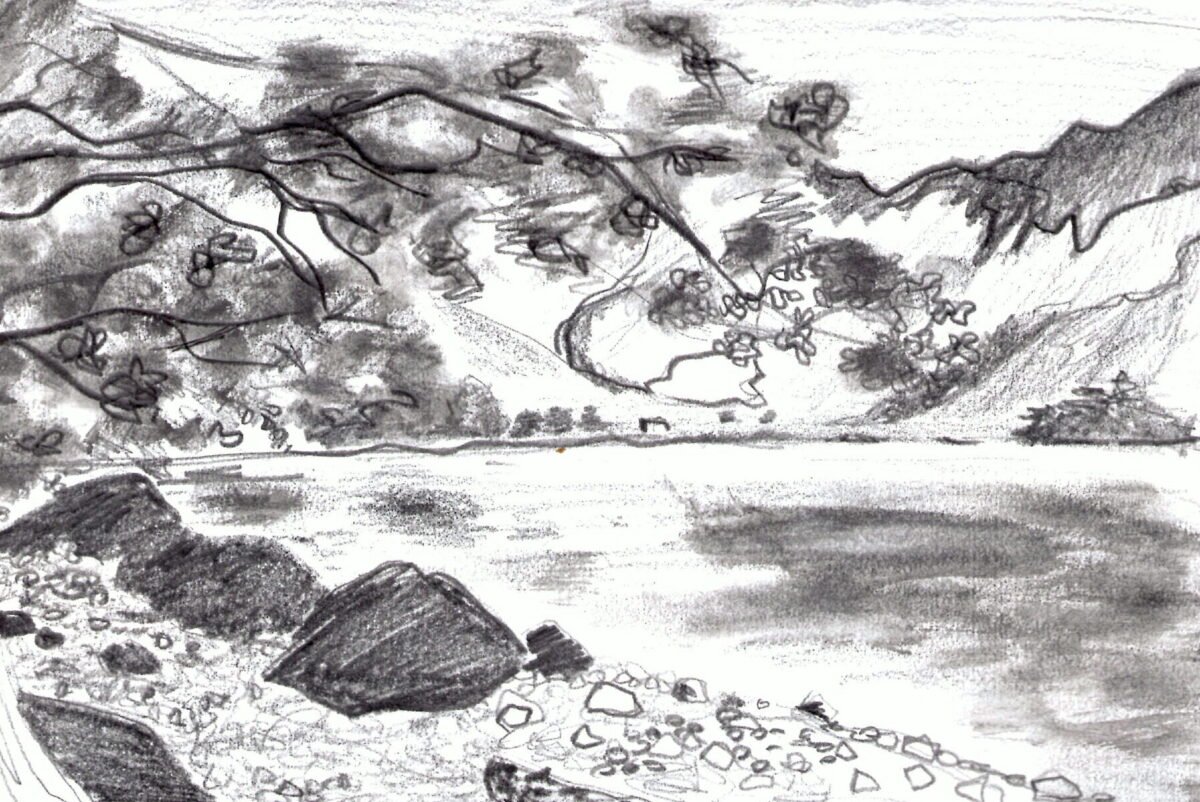
Every travel sketch on artistEarth.com comes from the Sketchbooks.org community. Share your work to be discovered here, and / or join us as a Travel Editor.
 From the Sketchbooks Community