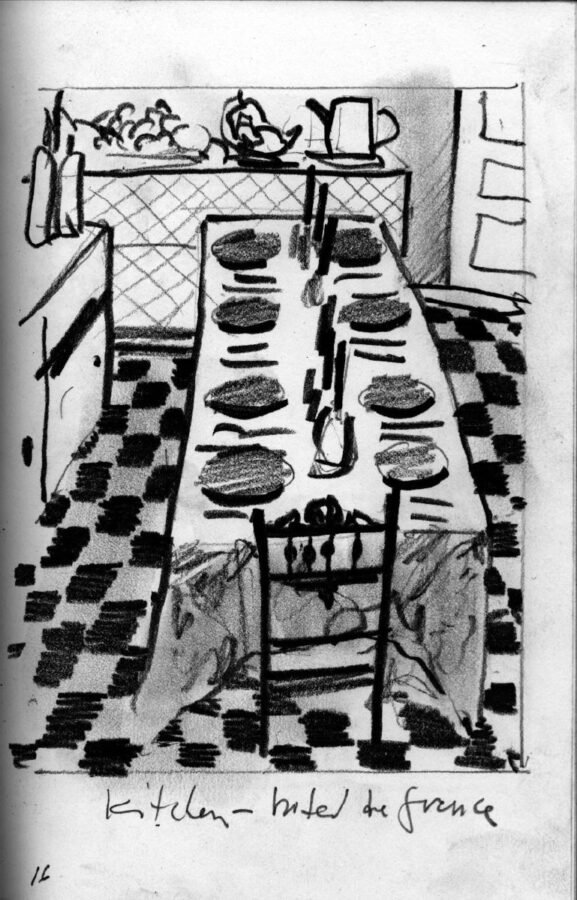
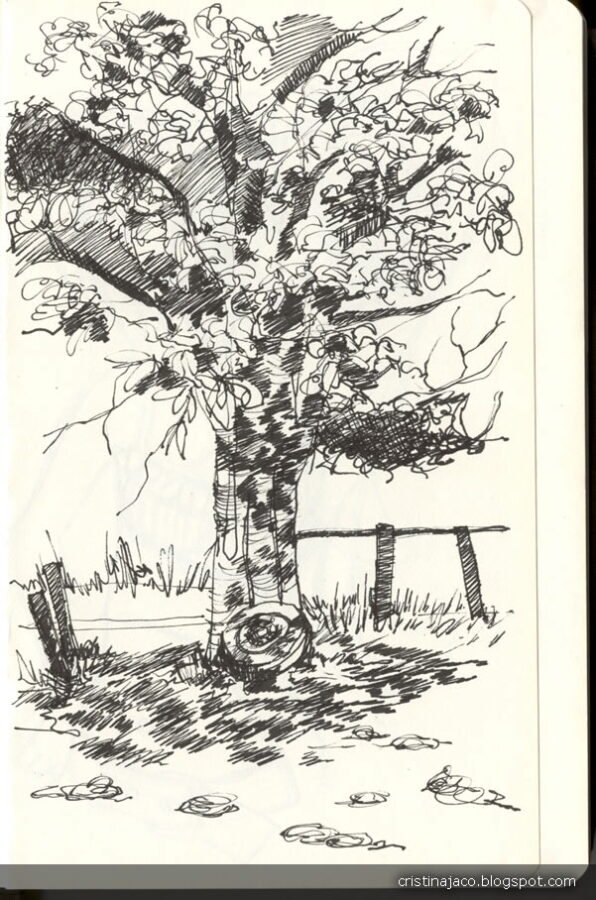
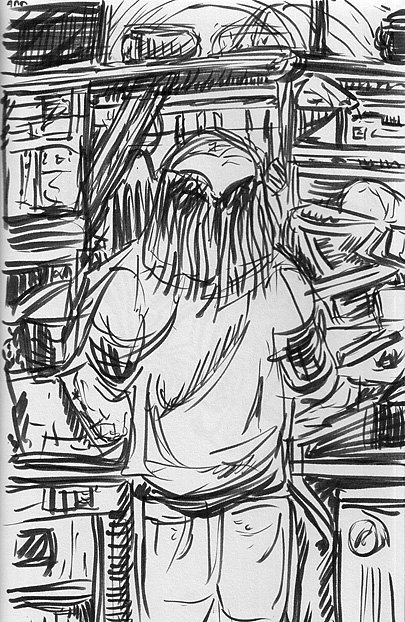
Historic landmarks have a magnetic pull for artists. They carry centuries of stories, architectural beauty, cultural symbolism, and a sense of place that makes them irresistible subjects for sketching. Drawing historic landmarks and monuments is a way to connect with global heritage, observe details you might otherwise miss, and build a sketchbook filled with meaningful memories from your travels.
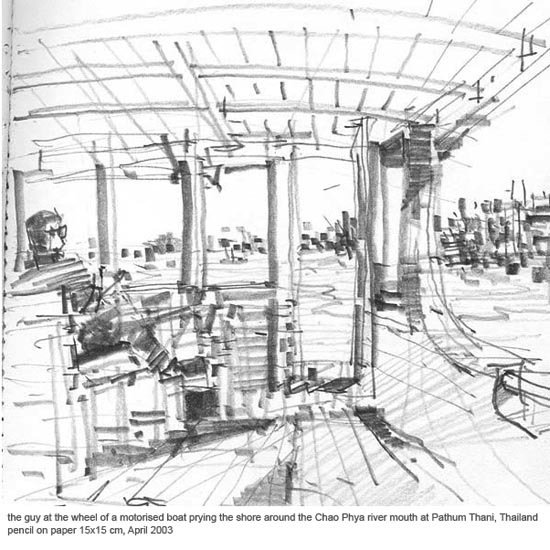



Whether you’re sketching ancient temples, medieval streets, iconic monuments, or UNESCO World Heritage sites, this guide offers practical tips to help you draw confidently on location. With a portable art kit, a curious eye, and a willingness to slow down, you can capture the world’s most remarkable places one line at a time.
Why Sketching Historic Landmarks Is So Rewarding
Historic landmarks offer a unique blend of structure, texture, and atmosphere. They challenge your observational skills while giving you a subject rich with character.
Landmarks Tell Stories Through Architecture
Every arch, column, tower, and stone carries history. Sketching helps you notice:
- proportions and symmetry
- decorative motifs
- weathered textures
- cultural influences
- structural rhythms
These details deepen your understanding of the place you’re visiting.
What mood does a successful travel sketch evoke for you?
Sketching Slows You Down in the Best Way
Travel can be fast. Sketching forces you to pause, breathe, and absorb your surroundings. You become part of the environment rather than just passing through it.
Your Sketchbook Becomes a Personal Travel Record
Unlike photos, sketches capture your interpretation of a moment. They reflect:
- mood
- weather
- movement
- emotion
- perspective
Each page becomes a memory you created with your own hands.
What to Bring When Sketching Historic Landmarks
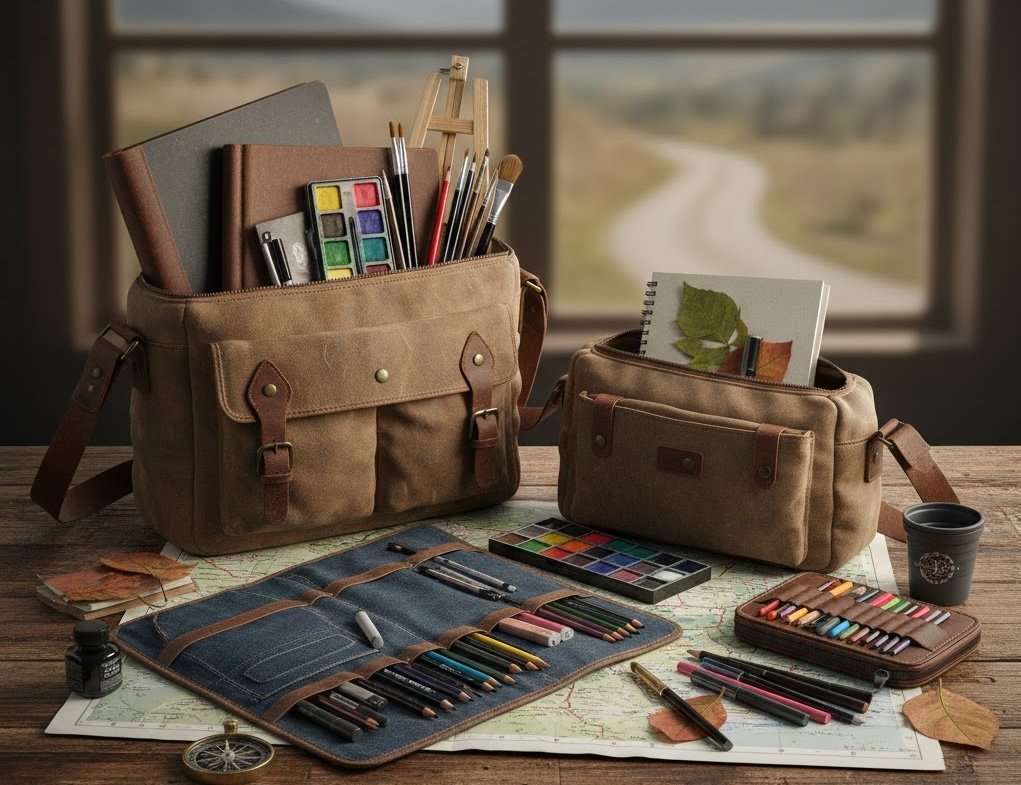
You don’t need a full studio to draw on location. A simple, portable kit is enough to capture the essence of any landmark.
Choose a Travel‑Friendly Sketchbook
Look for:
- A5 or smaller
- Mixed‑media or watercolor paper
- A sturdy cover
- A size that fits in your bag
A compact sketchbook encourages quick studies and reduces pressure.

Use Versatile Drawing Tools
A minimalist kit might include:
- a mechanical pencil
- a waterproof fineliner
- a brush pen for bold shadows
- a small eraser
- a compact watercolor set
- a water brush
These tools allow you to switch between linework, shading, and color effortlessly.

Carry a Lightweight Bag
A sling bag or small backpack keeps your tools accessible without weighing you down.

How to Approach Drawing Historic Landmarks
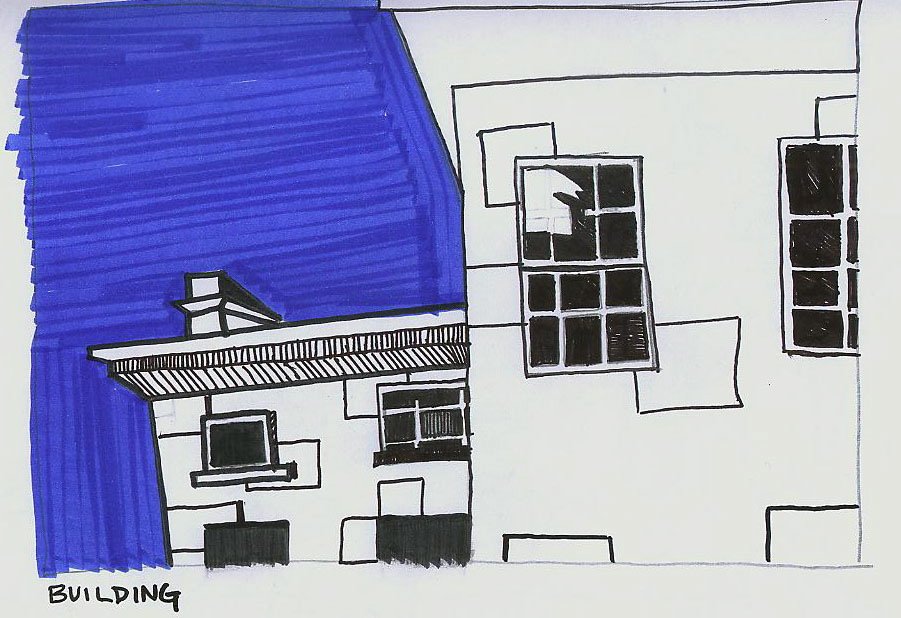
Start With Simple Shapes
Landmarks can feel overwhelming at first glance. Break them down into:
- rectangles
- triangles
- circles
- arches
- basic silhouettes
This helps you establish proportions before adding detail.
Focus on the Landmark’s Character
Ask yourself:
- What makes this landmark recognizable?
- Is it the shape? The texture? The ornamentation?
- Is there a dramatic angle or viewpoint?
Capture the essence rather than every detail.
Use Light and Shadow to Add Depth
Historic structures often have:
- deep recesses
- carved details
- layered surfaces
- strong contrast
Use hatching, cross‑hatching, or light watercolor washes to build dimension.
Simplify Complex Details
Instead of drawing every brick or carving, suggest texture with:
- broken lines
- loose marks
- tonal blocks
- simplified patterns
Your sketch should feel alive, not overloaded.
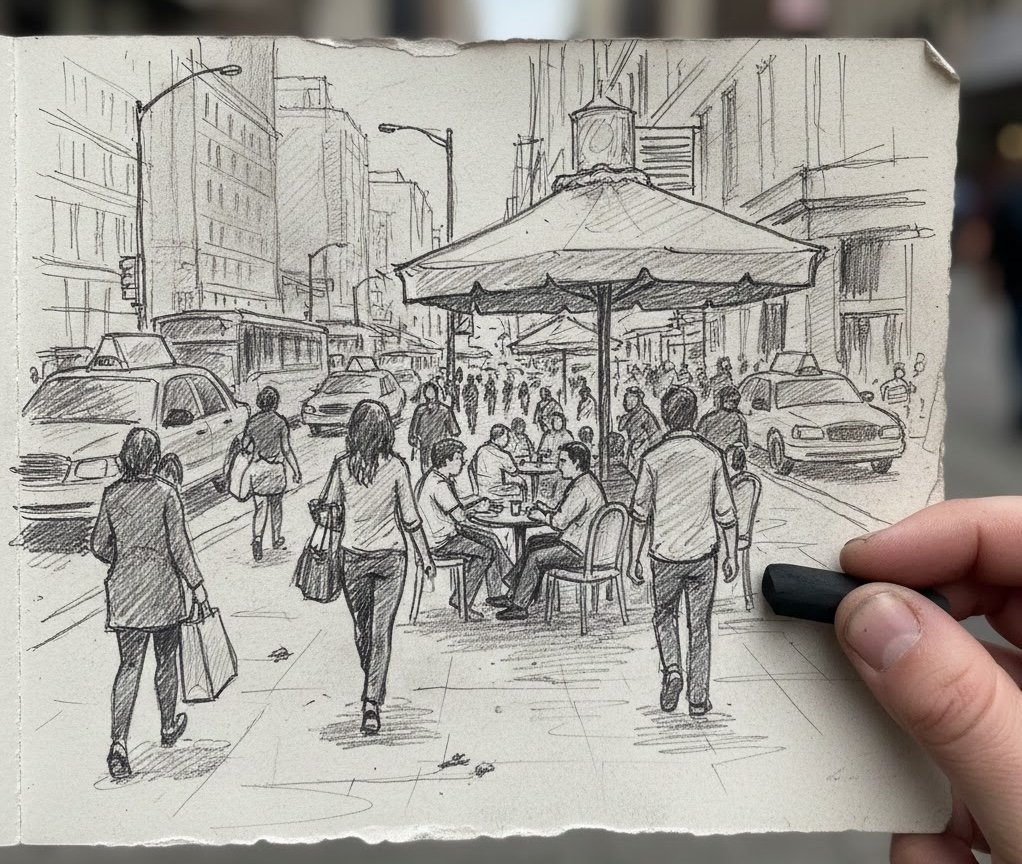
Add People or Context
Including figures, trees, or surrounding buildings helps:
- show scale
- add movement
- create atmosphere
- tell a story
Even simple silhouettes can bring your sketch to life.
Finding the Best Spot to Sketch a Landmark
Look for a Comfortable Viewpoint
Choose a place where you can sit or stand without blocking foot traffic. Comfort helps you focus on drawing rather than rushing.
Consider Lighting
Morning and late afternoon offer:
- softer shadows
- warmer tones
- more dramatic contrast
But any time of day can work — just observe how light interacts with the structure.
Avoid the Most Crowded Angles
Popular viewpoints are often busy. Explore side streets, courtyards, or elevated spots for unique perspectives.
Tips for Sketching Quickly on Location
Travel sketching often means working fast. Here’s how to stay efficient:
Limit Your Tools
Too many options slow you down. Stick to a simple kit.
Set a Time Limit
Try 10‑minute or 20‑minute sketches to stay loose and expressive.
Capture the Big Shapes First
Get the structure down before adding details.
Add Color Last
A quick wash of watercolor can transform a simple line drawing.
Embrace Imperfection
Wobbly lines and uneven shading add charm and authenticity.
Landmark Subjects That Work Well for Travel Sketching
Historic landmarks come in many forms. Great subjects include:
- ancient temples
- medieval castles
- historic bridges
- old town squares
- cathedrals and mosques
- archaeological ruins
- iconic towers
- traditional houses
- city gates and fortifications
Each offers unique shapes, textures, and stories to explore.
artistEarth | ART ON THE GO
Capture Stories, Not Just Scenes
Traveling with a sketchbook teaches you something that cameras often miss: every place holds a story, and every story asks to be felt rather than simply recorded. “Capture Stories, Not Just Scenes” is more than...
Frequently Asked Questions
How long should a landmark sketch take?
Most on‑location sketches take 10–30 minutes, depending on detail and style.
Do I need to draw every detail of a historic building?
No — focus on the main shapes and features that define the landmark.
What tools are best for sketching landmarks while traveling?
A small sketchbook, waterproof pen, pencil, and compact watercolor set work well.
Can I sketch inside historic sites?
Often yes, but some locations have restrictions on seating or materials.
Is it better to sketch from life or from photos?
Sketching from life builds stronger observation skills, but photos can help when crowds or weather make drawing difficult.
How do I handle crowds while sketching?
Find a quiet corner, sketch standing up, or work quickly to avoid blocking pathways.
Should I add color to my landmark sketches?
Color is optional — even a light wash can enhance mood and depth.
What if I feel intimidated by complex architecture?
Start with simple shapes and focus on capturing the overall form rather than every detail.
Final Thoughts
Drawing historic landmarks and monuments around the world is a rewarding way to connect with global culture, architecture, and history. With a simple travel sketch kit and a willingness to observe deeply, you can capture the essence of iconic places in your own unique style. Each sketch becomes a personal record of your journey — a moment of stillness, creativity, and connection in the midst of travel. Whether you’re exploring ancient ruins, bustling city squares, or quiet historic streets, your sketchbook becomes a companion that helps you see the world with fresh eyes.
Ready to Share Your Work?
Every travel sketch on artistEarth.com comes from the Sketchbooks.org community. Share your work to be discovered here, and / or join us as a Travel Editor.
 From the Sketchbooks Community