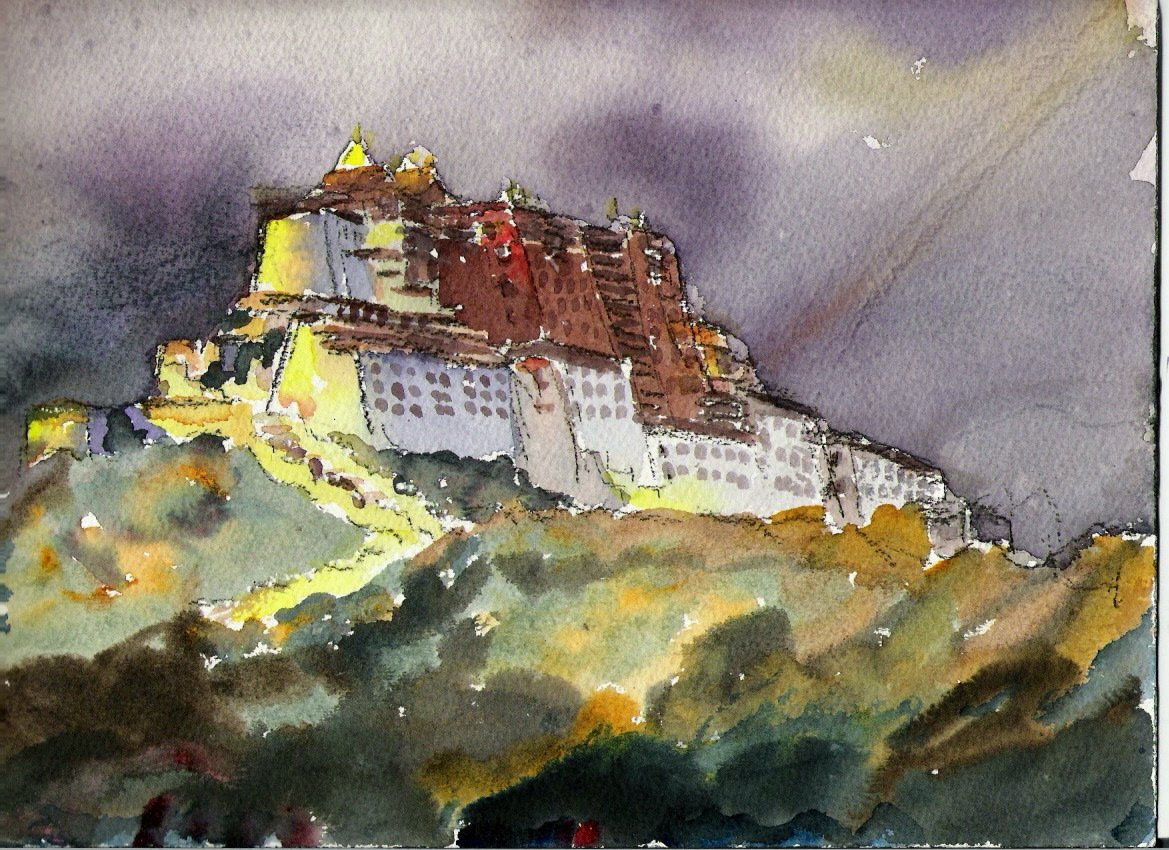
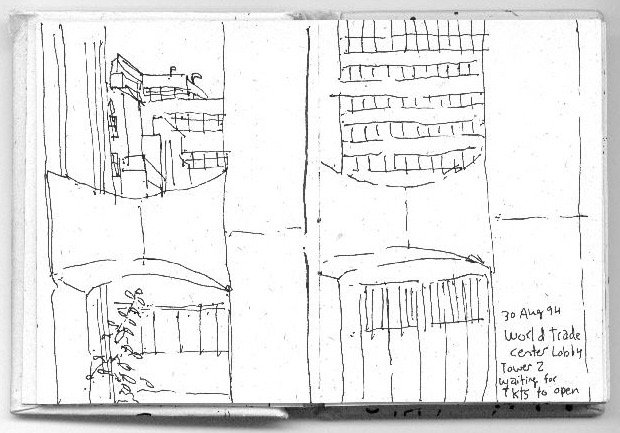
Drawing at a train station is one of the most unexpectedly powerful ways to sharpen your observational skills, deepen your artistic intuition, and reconnect with the world around you. This environment—full of movement, anticipation, rhythm, and fleeting human stories—offers a rare blend of energy and stillness that makes it ideal for sketching. Whether you’re a seasoned illustrator or someone rediscovering the joy of drawing, the train station becomes more than a backdrop. It becomes a catalyst. A reminder that art begins long before pencil touches paper.

Why Drawing at the Train Station Is a Creative Superpower
Train stations are living ecosystems. People rush, pause, wait, reunite, and drift through. Trains arrive and depart with predictable rhythm, yet every moment feels unique. For artists, this creates a perfect storm of inspiration.
When you practice drawing at the train station, you’re not just sketching what you see—you’re training your mind to notice details you normally overlook. The tilt of a suitcase. The curve of a coat collar. The way someone leans into their phone or gazes down the tracks. These micro-moments sharpen your ability to capture life as it unfolds.
This is why many artists consider public spaces essential for developing a travel sketchbook or building confidence in on-location art. The station becomes a classroom, a studio, and a stage all at once.
Art Begins Before You Start: Preparing Your Mind and Materials
Before you even open your sketchbook, the creative process has already begun. The act of observing, listening, and absorbing the environment primes your imagination. This is where the phrase art begins before you start becomes especially true.
How do you protect your gear from the elements?
Preparing Your Mind
Drawing in public requires a different mindset than drawing at home. You’re not in control of the environment, and that’s the beauty of it. To make the most of your time:
- Slow down your gaze. Let your eyes wander without judgment.
- Notice rhythms. Footsteps, announcements, shifting crowds—these patterns influence your sketches.
- Accept imperfection. People move. Trains move. Your lines will too.
This mental preparation helps you embrace spontaneity, which is the heart of gesture drawing and urban sketching.
Preparing Your Materials
You don’t need a full studio setup. In fact, minimalism works best.
- A small sketchbook or travel journal
- A mechanical pencil or fineliner
- A compact watercolor set (optional)
- A portable stool (if you prefer not to stand)
The goal is to stay nimble. The less you carry, the more freely you can move and respond to the environment.


Finding the Perfect Spot at the Train Station
Not all vantage points are equal. The right spot can make your drawing session smoother and more enjoyable.
Choose a Place With a Clear View
Look for areas where people naturally pause—ticket counters, waiting benches, platform edges. These spots give you subjects who stay still just long enough to capture their essence.
Stay Out of the Way
You want to observe without obstructing foot traffic. Corners, walls, and seating areas are ideal. Staying unobtrusive also helps you blend in, which reduces self-consciousness.
Embrace the Background
Train stations offer rich architectural details—arches, beams, signage, tracks, and industrial textures. These elements add depth to your sketches and help anchor your subjects in a real place.
Capturing Movement and Stillness in Your Sketches
Drawing at the train station teaches you to balance quick gestures with more detailed studies. People rarely stay still for long, so you learn to capture the essence rather than the exact likeness.
Gesture Drawing for Commuters
Gesture drawing is your best friend in a busy station. Focus on:
- Posture
- Weight distribution
- Direction of movement
- Silhouette
These quick sketches build confidence and speed.
Drawing Trains and Architecture
Trains offer a contrasting subject: large, structured, and relatively still. Use them to practice:
- Perspective
- Proportion
- Line weight
- Light and shadow
This combination of moving and stationary subjects creates a dynamic sketchbook page.
Why Train Stations Inspire Better Observational Drawing
Drawing in public forces you to see differently. You’re not just looking—you’re interpreting. Train stations amplify this effect because they’re full of:
- Human emotion: anticipation, fatigue, excitement, relief
- Repetition: patterns in clothing, luggage, seating
- Contrast: stillness vs. motion, old vs. new, quiet vs. noise
These contrasts help you develop a more intuitive sense of composition. You begin to understand what makes a scene visually compelling.
Overcoming the Fear of Drawing in Public
Many artists hesitate to sketch in public because they worry about being watched. The truth is, most people are too busy with their own travels to notice. And those who do notice are usually curious or supportive.
Here are ways to ease into it:
- Start with small, quick sketches.
- Sit slightly off to the side.
- Use a small sketchbook to stay discreet.
- Remind yourself that you’re practicing, not performing.
The more you draw in public, the more natural it feels.
Turning Your Train Station Sketches Into Finished Art
Your sketches don’t have to stay rough. Many artists use their on-location drawings as foundations for more polished pieces later.
You can:
- Add watercolor washes at home
- Refine linework
- Combine multiple sketches into a single composition
- Use them as references for digital illustrations
The raw energy of on-location drawing often leads to more expressive finished work.

artistEarth | NEWS
Introducing Sketchbooks.org — The Creative Community Behind ArtistEarth
ArtistEarth was built for artists who explore the world with a sketchbook in hand — travelers, observers, wanderers, and creators who see place through line, color, and curiosity. But ArtistEarth is only one part of...
Frequently Asked Questions
What makes drawing at the train station so beneficial for artists?
It challenges your ability to observe quickly and capture movement, which strengthens your overall drawing skills.
Do I need special tools to sketch in public spaces?
No, a simple sketchbook and pen are enough to get started, though portable art supplies can enhance the experience.
How do I handle people moving too quickly to draw?
Focus on gesture drawing and capturing the overall shape or posture rather than fine details.
Is it okay if people notice me drawing them?
Most people don’t mind, and many won’t even notice. If someone seems uncomfortable, simply shift your focus.
Can beginners try drawing at the train station?
Absolutely. It’s one of the best environments for beginners because it encourages loose, expressive sketching.
How long should I spend on each sketch?
Anywhere from 10 seconds to 10 minutes—let the movement of the environment guide you.
Should I add color on-site or later?
Either works. Many artists prefer adding color later to avoid carrying extra supplies.
What if I feel overwhelmed by the busy environment?
Start by drawing stationary objects like benches, signs, or trains before moving on to people.
Final Thoughts
Drawing at the train station is more than an artistic exercise—it’s a way of reconnecting with the world. It teaches patience, observation, and the beauty of everyday moments. When you embrace the idea that art begins before you start, you realize that creativity isn’t limited to the page. It’s in the waiting, the watching, the listening, and the quiet curiosity that shapes every line you draw.
If you ever feel stuck or uninspired, take your sketchbook to the nearest station. Sit, breathe, observe. Let the rhythm of travel guide your hand. You’ll discover that inspiration is always arriving on the next platform.
Ready to Share Your Work?
Every travel sketch on artistEarth.com comes from the Sketchbooks.org community. Share your work to be discovered here, and / or join us as a Travel Editor.
 From the Sketchbooks Community